cultural-insights
Learnings from Travel in Madrid
My afternoon with a Venezuelan guide in Madrid reminded me how easily my worldview gets smudged by headlines and recycled scripts. While it is tempting to stick to the safety of our own political camps, travel provides the messy, lived reality that a newsfeed simply cannot capture. By choosing to listen instead of judge, I have learned that we are far more likely to find a shared human struggle beneath the noise of "us versus them."
I used to think my worldview was a flawless, crystal-clear lens. It turns out it was more like looking through dirty glasses. My views and outlooks are often shaped by smudged lenses and recycled scripts, often mistaking a curated slant for the absolute truth.
For me, travel is a great lens-cleaner. It wipes away the fingerprints of cable news, social media, and polarized camps, and it adjusts the focus so I can see the individuals and lived experiences that actually define a community.
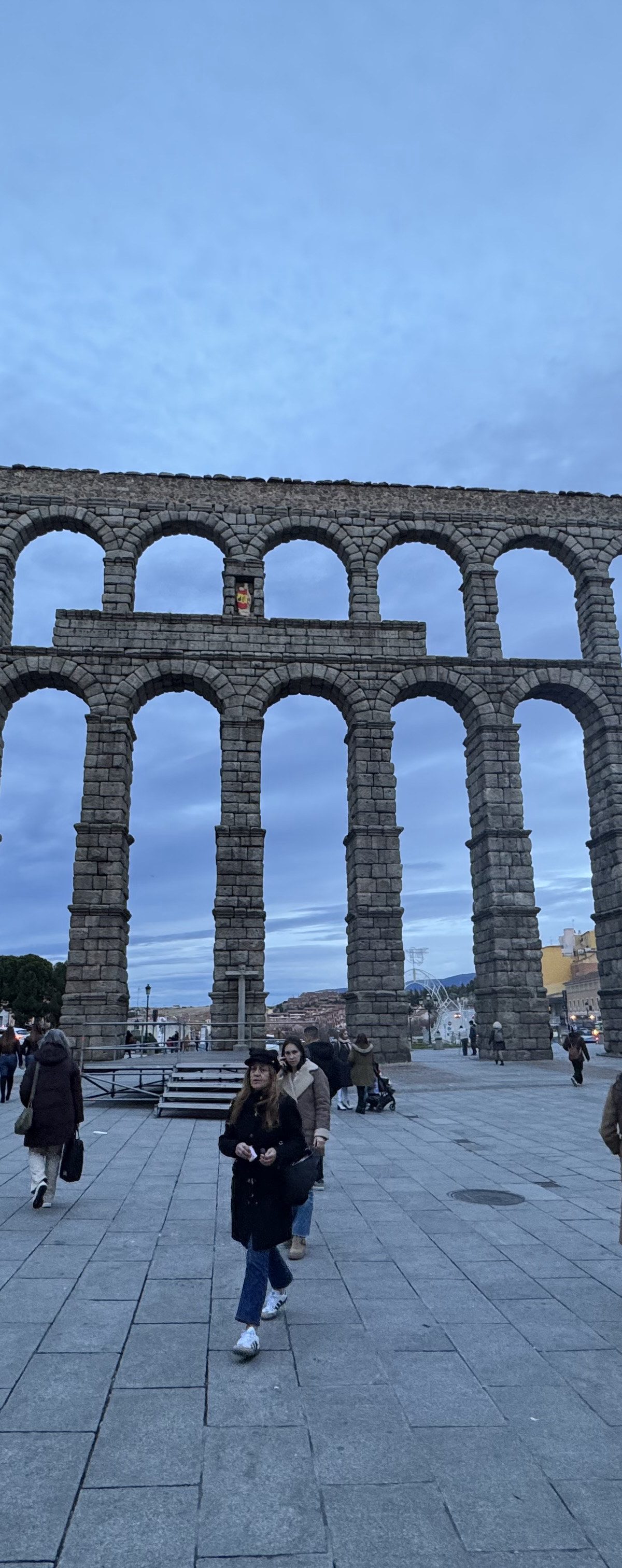
A couple of days ago, during a trip to Avila and Segovia outside Madrid, I spent the afternoon with our guide, a Venezuelan who has called Spain home for many years. He is one of an estimated 100,000 Venezuelans who have woven their lives into the local tapestry of the city.
For months, I have squinted at headlines about oil tankers and political chess matches, trying to make sense of the "why" behind America’s renewed direct involvement in Venezuela. I wondered about the bombing of panga boats, the boarding of tankers, and the pressure to overthrow a president in a foreign country. Talking to someone who loves his home country gave me a perspective I could not find in a newsfeed. He spoke of his belief that the government has been complicit in the drug trade since long before Maduro, and he shared the reality of extreme poverty for people whose national wealth is never shared.
When we discussed the aggressive tactics used against those potentially involved in the trade, his response was nuanced. He agreed with the ultimate goals of the American administration but not necessarily the approaches. This is one of the great values I get from travel. It provides the opportunity to engage with people who have lived through situations I have only read about. While I have strong political views and feelings about the American administration's activities related to Venezuela and am happy to share them, the focus of this post is to talk about travel and how it has the potential to bring us closer.
These conversations remind me that you do not have to agree with someone's every conclusion to learn from their life experience. The true value of stepping outside your comfort zone and visiting unfamiliar territory is the realization that listening to a different perspective does not mean losing your own identity; it simply means broadening your understanding. When we stop judging and start seeking common ground, we are more likely to see the world as a shared human struggle rather than a battle of "us versus them."
I am still firmly on Team Rousseau, favoring the belief that humans are fundamentally good, rather than following the darker outlook of Hobbes, who saw us as essentially driven by more selfish or evil instincts. Travel simply reminds me that "good" comes in an infinite variety of shades. It turns out that a little more listening and a lot less squinting makes for a much better view.